Modern consumer electronics are everywhere. They shape how we live, work, and play. From smartphones to smart homes, these devices are integral to our daily lives.
But what powers these electronic marvels? The answer lies in the intricate world of embedded systems. These systems are the unsung heroes behind the scenes.
Embedded developers play a crucial role in this ecosystem. They design and optimize the components that make our devices smarter and more efficient. Understanding the core technologies is essential for innovation.
Microcontrollers, semiconductors, and IoT are just a few of the key players. They drive the functionality and connectivity of modern devices. Power management and energy efficiency are also vital.
Digital trends like AI and machine learning are transforming the landscape. They offer new possibilities and challenges for developers. Staying ahead requires knowledge and adaptability.
This article explores the technologies and trends shaping consumer electronics. It’s a roadmap for embedded developers navigating this dynamic field.
The Evolution of Modern Consumer Electronics
Consumer electronics have undergone significant transformations over the decades. Early devices were simple and functional. They lacked the sophistication seen in today's gadgets.
The digital revolution brought about a wave of innovation. Personal computers became household staples. The introduction of the internet connected devices in unprecedented ways.
A key driver of evolution has been technological miniaturization. As components shrank, devices became more powerful and portable. This trend continues to define modern electronic devices.
Consumer expectations have also influenced this evolution. There is now a demand for smarter, more intuitive interfaces. Touchscreens and voice assistants have become commonplace.
Modern electronics are not just about hardware. Software has taken on a crucial role. It enhances device functionality through updates and new features.
Key milestones in consumer electronics:
- Transition from analog to digital
- Rise of portable and personal devices
- Integration of connectivity technologies
- Development of user-friendly interfaces
- Expansion of software ecosystems
As we look ahead, the evolution of consumer electronics promises even greater advances. The convergence of technologies continues to push boundaries. Developers must adapt to remain at the forefront of these changes.
Core Technologies: Microcontrollers, Microprocessors, and Semiconductors
Modern consumer electronics heavily rely on microcontrollers and microprocessors. These components are central to device operations. They enable processing power and functionality.
Microcontrollers are compact and energy-efficient. They are designed for dedicated tasks. They're used in simple gadgets and complex systems alike.
Microprocessors, on the other hand, are more versatile. They handle various computing tasks simultaneously. Found in PCs and smartphones, they offer robust processing capabilities.
Semiconductors are the backbone of these technologies. They make compact and efficient computing possible. Innovations in semiconductor manufacturing continuously push the limits of performance.
The integration of these technologies is crucial. They work in tandem to power smart devices. The proper operation of electronics depends on their interplay.
Core features of these technologies:
- Energy-efficient operation
- Miniature size for compact designs
- High processing power for demanding applications
- Support for connectivity features
- Compatibility with various software systems
Developers must stay abreast of advancements in these areas. The rapid pace of technological change demands continuous learning. Success in this field requires both technical skill and innovation.
As the electronics landscape evolves, the roles of microcontrollers, microprocessors, and semiconductors expand. They are not just components but fundamental enablers of the digital age.

Embedded Systems: The Heart of Electronic Devices
Embedded systems are integral to modern consumer electronics. They serve as the control center for device functionality. These systems combine hardware and software to achieve specific tasks.
Each embedded system is designed for precise purposes. They efficiently manage resources while providing the necessary functionalities. This specialization makes them indispensable in today’s devices.
The versatility of embedded systems is impressive. They are used in everything from home appliances to advanced medical equipment. Their adaptability allows them to meet diverse market needs.
Key aspects of embedded systems include:
- Tailored design for specific applications
- Real-time operation capabilities
- Low power consumption for efficiency
- Built-in connectivity for IoT solutions
- Scalability to support future developments
Developers must understand embedded systems deeply. Mastery in this area allows for optimized performance and innovation. These systems continue to evolve, expanding their potential applications and efficiency.
As technology advances, the role of embedded systems will grow further. They are pivotal in creating smarter, more responsive electronic devices. Their development shapes the future of consumer electronics.
Power Management and Energy Efficiency
Power management in modern consumer electronics is crucial. Devices must operate efficiently to enhance longevity and user satisfaction. The focus is on minimizing power usage while maintaining performance.
Energy efficiency is no longer optional. Consumers demand devices that last longer on a single charge. This shift pushes developers to innovate in power-saving technologies. Efficient power management is a competitive edge in the market.
Key strategies for improving energy efficiency include:
- Optimizing software for lower power consumption
- Utilizing low-power components and processors
- Implementing power-saving modes and features
- Designing hardware for maximum energy conservation
- Incorporating efficient charging solutions
Advanced power management technologies are continuously developed. These innovations ensure that devices are both environmentally friendly and cost-effective. The commitment to energy efficiency reflects global trends towards sustainability.
Developers play a key role in this dynamic. By focusing on energy-efficient designs, they contribute to reducing the environmental impact of electronic devices. This initiative not only benefits the planet but also meets evolving consumer expectations.
Connectivity: IoT, Wireless, and 5G
Connectivity is at the core of modern consumer electronics. It enables easy communication and interaction. The integration of the Internet of Things (IoT) has transformed device connectivity.
IoT allows devices to connect and communicate with each other. This connectivity revolutionizes how devices function in homes and offices. It provides greater convenience and efficiency in daily life.
Wireless technologies, such as Bluetooth and Wi-Fi, play a critical role. They enable devices to interact without cables. This wireless freedom is essential for mobility and user convenience.
5G technology is the latest breakthrough in connectivity. It offers faster speeds and lower latency, enhancing device performance. This advancement supports the growth of more complex and data-intensive applications.
Key connectivity technologies in consumer electronics include:
- IoT devices and systems
- Bluetooth for short-range communication
- Wi-Fi for robust wireless networking
- NFC for secure, contactless interactions
- 5G for high-speed, low-latency connections
These technologies are paving the way for future innovations. As connectivity continues to evolve, devices will become even more integrated into our lives. This shift promises to redefine how we experience technology.
Sensors and User Interfaces: Enhancing Device Intelligence
Sensors are crucial to the functionality of smart devices. They gather data from the environment and user interactions. This information allows devices to respond intelligently.
Common sensors include accelerometers, gyroscopes, and proximity sensors. These components improve device performance by enhancing interaction precision. As a result, they provide a richer user experience.
User interfaces (UIs) have evolved significantly over recent years. Touchscreens are now standard in many devices, providing an intuitive platform for interaction. Voice recognition technology adds further convenience and accessibility.
Key elements enhancing device intelligence include:
- Accelerometers and gyroscopes for motion detection
- Proximity and ambient light sensors for responsive UIs
- Touchscreens that support gestures and multi-touch
- Voice recognition systems for hands-free control
These advancements have enhanced the intelligence of electronic devices. As the demand for smarter gadgets grows, sensors and user interfaces will continue to evolve. This trend will further integrate technology into everyday life, enhancing user interaction and satisfaction.

Software, Firmware, and the Expanding Role of Apps
Software and firmware form the backbone of modern devices. They control operations and ensure proper functionality. Both are integral to the user experience.
Firmware is embedded in hardware components. It provides essential control and communication between hardware elements. Regular updates improve performance and add new features.
Applications, or apps, add versatility to electronic devices. They enhance functionality and offer personalized experiences. With countless apps available, users can tailor devices to their needs.
Key software components include:
- Firmware for hardware control
- Operating systems that manage resources
- Apps that expand device capabilities
- Regular updates for enhanced features and security
As electronic devices evolve, the role of software will only grow. Developers must focus on creating efficient, user-friendly applications. This approach ensures that devices remain relevant and valuable.
Digital Trends Shaping Consumer Electronics
Digital trends drive innovation in consumer electronics. They change how devices interact with users and the environment. These trends shape both current technologies and future possibilities.
Artificial Intelligence (AI) is revolutionizing device capabilities. It enables smarter and more personalized interactions. Voice assistants and predictive text are prime examples.
Virtual and Augmented Reality (VR/AR) are gaining traction. They enrich user experiences and open new avenues for engagement. From gaming to education, their applications are vast.
Significant digital trends include:
- AI for smarter interactions
- VR and AR for immersive experiences
- Machine learning for predictive analytics
- Personalization through user data analysis
The Internet of Things (IoT) connects devices easily. This connectivity makes homes and workplaces more efficient. Devices talk to each other, optimizing performance and utility.
Digital trends are continually evolving. As they do, they demand that developers stay ahead of the curve. Embracing these trends ensures innovation and market relevance.
Security, Privacy, and Regulatory Considerations
Security in consumer electronics is paramount. With devices constantly connected, vulnerabilities increase. Developers must prioritize robust security measures.
Privacy concerns also loom large. Users demand control over their data. Transparent policies and data encryption are vital.
Regulatory compliance influences device design. Adhering to standards ensures market access and trust. Compliance includes safety and data protection laws.
Key considerations include:
- Implementing strong security protocols
- Ensuring user data privacy
- Meeting regulatory requirements
- Regular updates to fix vulnerabilities
Failing to address these areas risks consumer trust. It can also result in costly penalties and reputational damage. Developers must stay informed and proactive. By doing so, they can create safe and reliable devices that consumers trust and prefer.
Sustainability and Environmental Impact
As consumer electronics proliferate, sustainability becomes crucial. E-waste is a growing challenge, influencing design and disposal strategies. Developers are embracing eco-friendly materials and processes.
Energy efficiency contributes to sustainability. Devices are designed to consume less power, prolonging battery life and reducing environmental strain. Such designs cater to both user and ecological needs.
Key sustainability practices include:
- Using recyclable and biodegradable materials
- Reducing energy consumption in devices
- Implementing eco-friendly manufacturing
Environmental regulations guide these initiatives. Compliance fosters market acceptance and positive impact. Thus, developers play a pivotal role in shaping the sustainable future of consumer electronics. By embracing these practices, they not only protect the planet but also meet consumer demand for greener products.
The Future: AI, AR/VR, Edge Computing, and Beyond
The future of consumer electronics holds incredible promise with technologies like AI, AR/VR, and edge computing. AI integration enhances device functionality, enabling smarter interactions and personalized user experiences. Devices can learn from user behavior to improve performance.
Augmented Reality (AR) and Virtual Reality (VR) are pushing boundaries in immersive experiences. These technologies offer new ways to interact with digital content, transforming entertainment and education sectors.
Edge computing, another transformative technology, allows for faster data processing by reducing latency. This is particularly beneficial for real-time applications, enhancing user experience and reliability.
Emerging future trends include:
- Enhanced AI capabilities in devices
- Increased adoption of AR/VR technologies
- Growth in edge computing applications
These innovations will reshape consumer electronics, offering more intelligent, connected, and efficient solutions. The challenge lies in integrating them easily while addressing security and privacy concerns.
Key Challenges and Opportunities for Embedded Developers
Embedded developers face unique challenges in the fast-evolving landscape of consumer electronics. Keeping up with rapid technological changes can be demanding. Staying informed on the latest innovations is crucial for success.
The complexities of integrating multiple technologies into cohesive systems require advanced problem-solving skills. Developers must balance functionality with efficiency and security. This balance is critical as devices become more interconnected.
However, these challenges also present numerous opportunities for growth and innovation. Developers can harness these advancements to create groundbreaking solutions and improve user experiences.
Potential opportunities include:
- Innovating energy-efficient solutions
- Enhancing security measures for IoT devices
- Developing user interfaces
For those willing to adapt, the future holds vast possibilities. Embracing continual learning and collaboration will help navigate this dynamic field.
Innovating the Next Generation of Electronic Devices
As technology evolves, the potential for innovation in consumer electronics is immense. Embedded developers play a critical role in driving this progress forward. Their work influences the devices that shape our daily lives.
New digital trends like artificial intelligence and edge computing promise to redefine what electronic devices can do. By embracing these developments, developers can create smarter, more responsive gadgets. This innovation leads to enhanced functionality and more intuitive user experiences.
In conclusion, the future of consumer electronics is bright and filled with possibilities. Developers who adapt and innovate will help shape this future. By leveraging emerging technologies, they will craft the next wave of transformative electronic products.
What Powers Modern Consumer Electronics? Click Boards™ in Action
From smartphones and wearables to smart home devices, modern consumer electronics rely on a set of core subsystems: perception, control, communication, and power. Each of these functions can be explored, tested, and expanded with Click boards™, giving developers the same flexibility that drives today’s most popular devices.
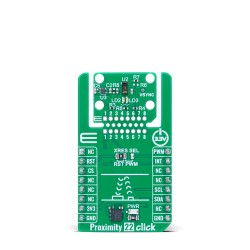
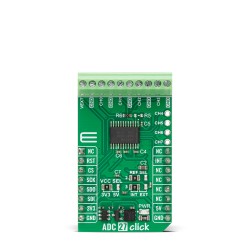
- Sensing the World: Just like phones use light, motion, and environmental sensors, a Sensor Click enables your design to gather real-world data and respond intelligently.
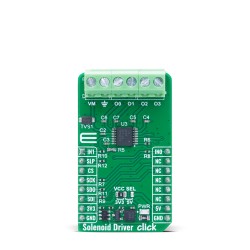
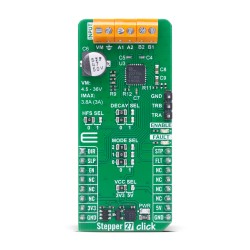
- Control and Precision: Consumer devices often rely on tiny motors or haptics for feedback. A Motor Control Click brings that same precision actuation into your prototypes.
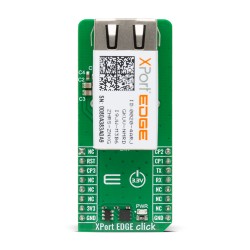
- Staying Connected: From Bluetooth headphones to Wi-Fi-enabled appliances, wireless communication is at the heart of electronics today. A Wireless Connectivity Click lets your design integrate easily into connected ecosystems.
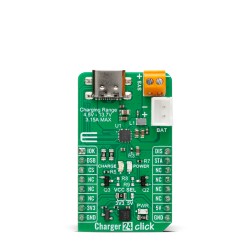
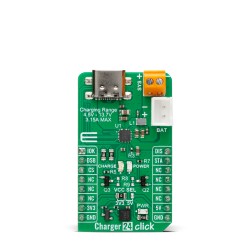
- Reliable Power: Behind every gadget is careful power regulation. A Power Management Click ensures stable operation, efficiency, and device safety - whether your project is portable or plugged in.
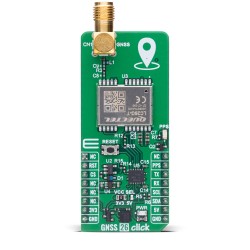
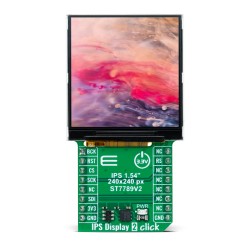
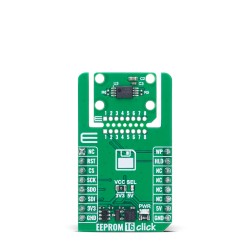
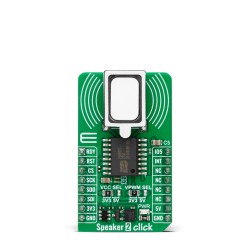
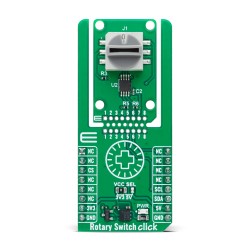
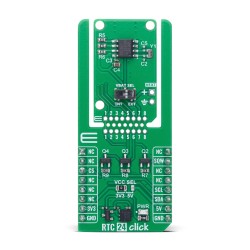
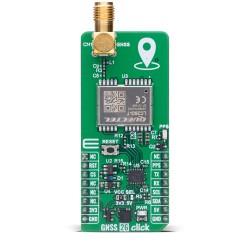
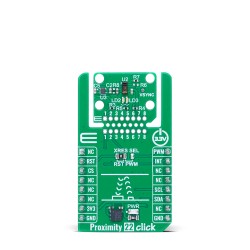
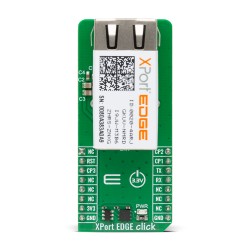
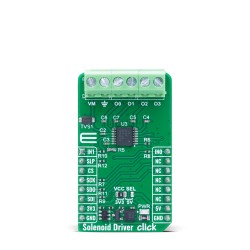
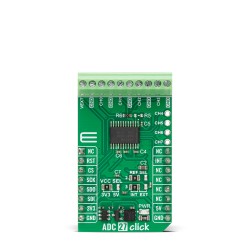
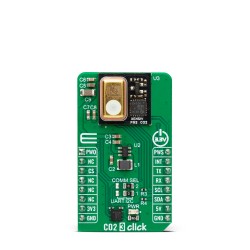
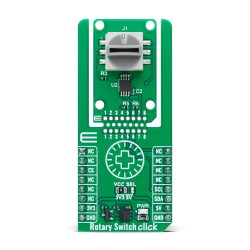
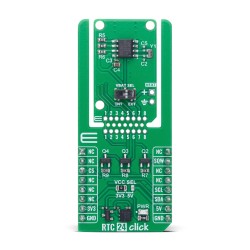
In the product grid below, you’ll find representative Click boards from each major category, demonstrating how the same modular ecosystem that supports robotics and industrial systems also mirrors the building blocks of modern consumer electronics.
With Click boards™, you can prototype, iterate, and scale your designs faster - bridging the gap between ideas and the everyday devices people use.



Real-World Consumer Electronics Projects: Click Boards™ on EmbeddedWiki
Wondering how modular embedded hardware shapes the devices we use every day? On EmbeddedWiki, our official project hub, you’ll find practical examples of engineers using Click boards™ to power smarter, more connected consumer electronics.
From wearable health monitors and smart home controllers to wireless audio systems and portable gadgets, these projects demonstrate how you can combine Click boards™ to replicate the same subsystems found in modern consumer devices - without starting from scratch.
Each guide walks you through real-world implementations, showing how sensing, connectivity, control, and power management come together in modular designs. It’s a hands-on way to see how everyday electronics are built - and how you can design with the same flexibility.
Explore EmbeddedWiki and discover how Click boards™ accelerate consumer electronics development.
ABOUT MIKROE
MIKROE is committed to changing the embedded electronics industry through the use of time-saving industry-standard hardware and software solutions. With unique concepts like Remote Access, One New Product/Day, Multi-Architectural IDE and most recently, the EmbeddedWiki™ platform with more than million ready-for-use projects, MIKROE combines its dev boards, compilers, smart displays, programmers/debuggers and 1900+ Click peripheral boards to dramatically cut development time. mikroBUS™; mikroSDK™; SiBRAIN™ and DISCON™ are open standards and mikroBUS only has been adopted by over 100 leading microcontroller companies and integrated on their development boards.
Your MIKROE