Healthcare monitoring devices are transforming the medical landscape. They are at the heart of telehealth and IoT medicine. These devices are reshaping how we approach patient care.
Wearable health tech is a key player in this evolution. From fitness trackers to medical-grade wearables, these devices offer continuous health monitoring. They provide valuable data for both patients and healthcare providers.
Patient monitoring systems are becoming more advanced. They now feature cutting-edge sensors and connectivity options. This evolution allows for real-time data collection and analysis.
The COVID-19 pandemic accelerated the adoption of telehealth solutions. As a result, healthcare monitoring devices have become more prevalent. They are crucial for remote patient monitoring and improving patient outcomes.
The future of healthcare monitoring devices is promising. With ongoing innovations, these devices will continue to enhance healthcare delivery. They hold the potential to revolutionize patient care and empower individuals.
The Evolution of Healthcare Monitoring Devices
Healthcare monitoring devices have come a long way from basic tools to sophisticated systems. The journey reflects innovations in technology and changing healthcare needs. Today, they play a vital role in both clinical and home environments.
The early devices focused on basic vital sign measurements. These included thermometers and stethoscopes. Modern patient monitoring systems now incorporate digital sensors and wireless connectivity. They provide real-time insights for medical professionals.
Recent advances have introduced miniaturized, non-invasive sensors. These sensors are making devices more compact and user-friendly. Importantly, they ensure patient comfort without compromising data accuracy.
Integration with digital health records facilitates easy data flow. This connects patients and providers more efficiently.
Key milestones in this evolution include:
- The rise of wearable health tech for real-time monitoring
- Implementation of IoT for connecting devices across platforms
- Advancements in AI for predictive analytics
As technology progresses, the potential of these devices continues to expand, transforming healthcare monitoring into a dynamic and responsive field.
Key Types of Patient Monitoring Systems
Patient monitoring systems cover a wide range of functionalities. They extend from simple heart rate monitors to complex multi-parameter devices. Their purpose is to monitor and report various physiological parameters.
Basic systems track essential vital signs like heart rate, blood pressure, and oxygen saturation. These devices are often used in both hospital and home settings. Their ease of use makes them widely accessible.
Advanced systems incorporate additional parameters like respiratory rate and temperature. They support critical care environments by providing comprehensive data. These systems help in making informed clinical decisions swiftly.
Specialized monitoring systems focus on specific conditions such as diabetes or cardiac health. Continuous glucose monitors and Holter monitors fall into this category. These devices offer tailored insights for chronic disease management.
The following list outlines some major types of patient monitoring systems:
- Vital sign monitors
- Multi-parameter monitors
- Wireless monitoring systems
- Ambulatory monitors for home use
- Remote patient monitoring platforms
Incorporating these systems into healthcare settings enhances patient safety. They ensure timely interventions, improving overall care quality. With ongoing advancements, these systems are becoming more integral to medical practice.
Wearable Health Tech: From Fitness to Medical-Grade Devices
Wearable health tech is gaining popularity in both consumer and medical markets. Initially, fitness trackers like Fitbit (iOS / Android) led the way. They encouraged users to engage in healthier lifestyles by tracking steps and activity levels.
Today, wearable devices have advanced far beyond simple fitness tracking. Smartwatches now monitor vital signs continuously, such as heart rate and sleep patterns. These features appeal to a broad range of users, from athletes to those managing health conditions.
Medical-grade wearables are redefining patient care. Devices such as continuous glucose monitors and smart ECG patches deliver real-time health data. They are crucial for managing chronic diseases like diabetes and cardiac disorders. This real-time monitoring helps in proactive healthcare management.
Some key benefits of wearable health tech include:
- Continuous health monitoring
- Real-time data collection and feedback
- Motivation for health-conscious behaviors
- Early detection of potential health issues
- Enhanced patient engagement and empowerment
These advancements in wearable technology are enhancing personal health management. They empower individuals with insights, driving a shift toward preventive healthcare. As these devices evolve, they're closing the gap between consumer tech and medical-grade monitoring.

IoT and Connectivity: Real-Time Data in Telehealth
The integration of IoT technology has revolutionized healthcare monitoring. Devices connected via IoT provide easy and real-time data exchange. This connectivity is vital for telehealth's effectiveness, enhancing patient care.
IoT-enabled devices collect continuous data, which allows for detailed analytics. Healthcare providers can identify trends in patient health and make timely interventions. This capability is particularly significant for patients with chronic illnesses. The data can be accessed remotely, providing doctors and patients with vital insights.
Real-time data collection offers substantial advantages:
- Immediate health status updates
- Early detection of anomalies
- Enhanced decision-making based on current data
- Reduced need for frequent in-person checkups
- Improved patient safety and outcomes
This innovative approach is transforming traditional healthcare models. It is promoting a proactive, rather than reactive, stance on healthcare management. As IoT continues to expand, telehealth will become more dynamic and far-reaching.
Innovations and Hardware Trends Shaping the Future
Healthcare monitoring devices are rapidly evolving. New innovations focus on improving efficiency and user experience. These trends are setting the pace for future technologies.
One major trend is the miniaturization of sensors. Smaller sensors allow for more discreet, comfortable wearables. Patients can now monitor their health continuously without inconvenience. This drives greater adoption of wearable health tech.
Innovations in battery life are also noteworthy. Extended battery life means less frequent charging, enhancing convenience for users. Some devices now last weeks on a single charge. This ensures consistent data collection over extended periods.
Key hardware trends include:
- Miniaturized sensors for sleek designs
- Enhanced battery life for prolonged use
- Integration with advanced AI for predictive insights
- Development of non-invasive monitoring techniques
- Use of eco-friendly and sustainable materials
These advancements are paving the way for smarter, more efficient healthcare solutions. As technology progresses, devices will become even more capable. The future promises even more personalized healthcare experiences.
Challenges: Data Security, Privacy, and Interoperability
As healthcare monitoring devices become more widespread, challenges arise. Key concerns include data security and patient privacy. Ensuring that sensitive health data is protected is crucial.
Interoperability is another significant hurdle. Devices must easily integrate with existing healthcare systems. This ensures data flows smoothly and enhances patient care. Without it, information might become siloed, reducing its value.
Addressing these challenges involves several strategies:
- Implement robust encryption for data protection
- Ensure compliance with healthcare privacy regulations
- Develop standardized protocols for device interoperability
- Foster collaboration between tech companies and healthcare providers
- Educate users on the importance of data security
These steps will help overcome obstacles, ensuring technology is safe and efficient for users. As the industry grows, addressing these challenges remains vital.
The Impact on Patient Care and Healthcare Delivery
Healthcare monitoring devices are transforming patient care. They enable continuous monitoring, leading to timely interventions and improved outcomes. Patients benefit from personalized health insights that empower self-management.
These devices also aid healthcare delivery. With real-time data, doctors can make informed decisions without delays. This reduces unnecessary hospital visits and frees up resources for critical cases. The shift towards proactive care enhances efficiency and cuts costs, paving the way for a more sustainable healthcare system.
The Road Ahead for Healthcare Monitoring Devices
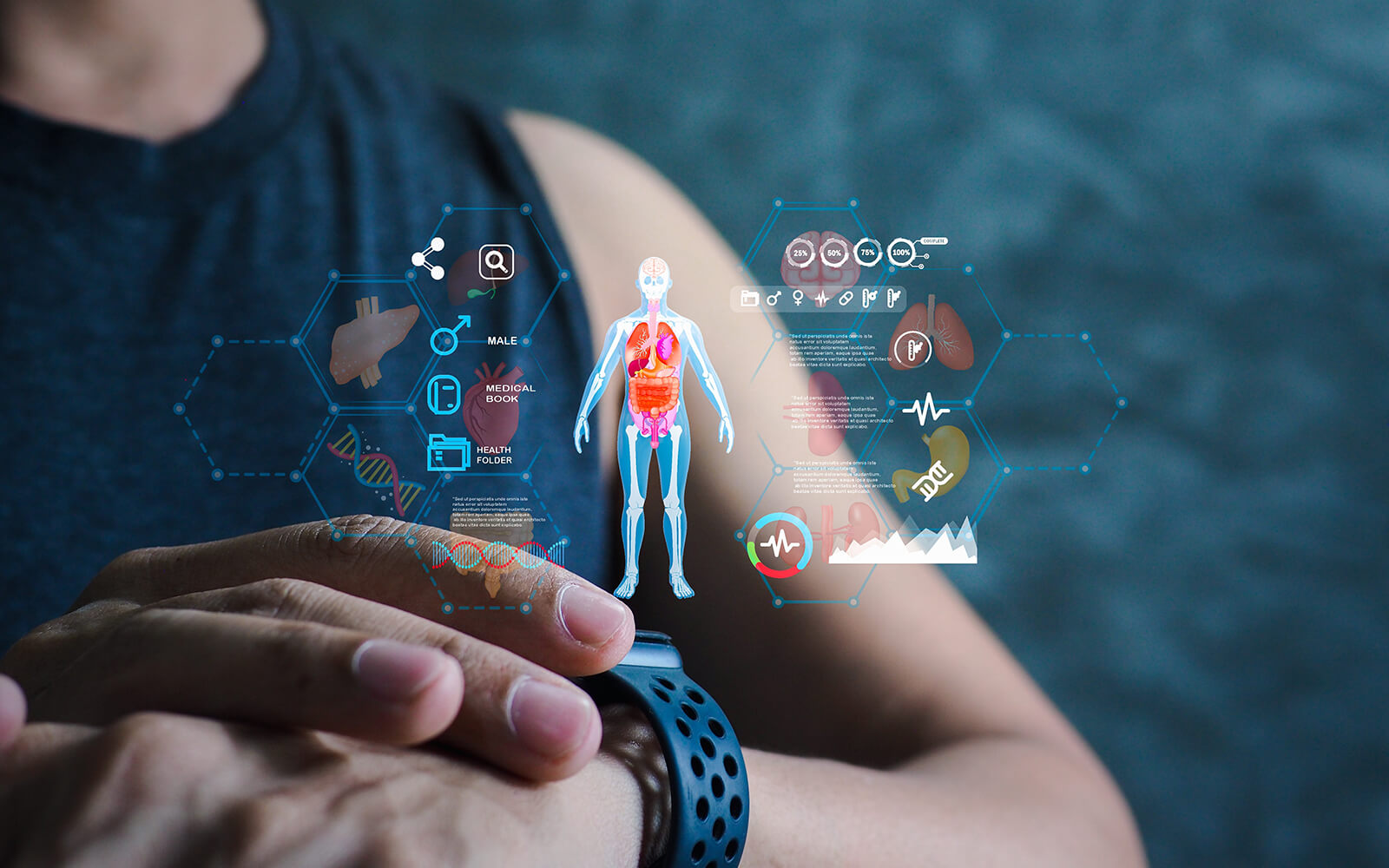
The future of healthcare monitoring devices is promising. Innovations are set to enhance both patient experiences and healthcare delivery. As technology evolves, devices will become smarter, more intuitive, and widely accessible.
Challenges like data security remain. However, ongoing advancements in IoT and AI will likely address these concerns. The integration of innovative health tech will continue to redefine patient monitoring systems, driving the shift towards more efficient, personalized, and proactive healthcare.
Sensor Click Boards™ for Telehealth Innovation
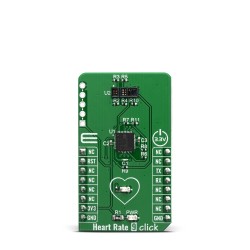
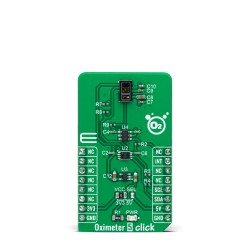
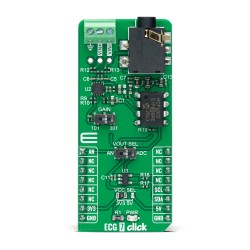
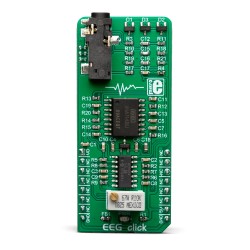
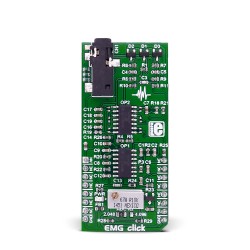
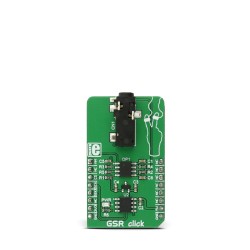
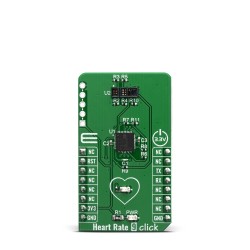
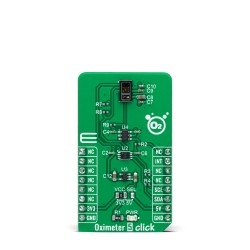
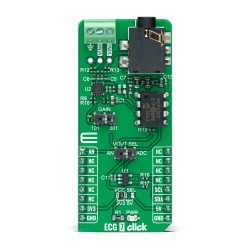
Healthcare is shifting rapidly toward remote monitoring and connected care, and reliable sensing technology is at the core of this transformation. Biometric Sensor Click boards™ provide ready-to-use modules for telehealth and IoT medical devices, covering applications such as heart rate, SpO₂, and temperature tracking.
Their compact, plug-and-play design makes it easy to prototype hardware for connected health platforms, enabling continuous patient monitoring and real-time data collection. From wearable wellness trackers to home-based diagnostics and smart hospital equipment, these boards accelerate development and help bring next-generation telehealth solutions to life.
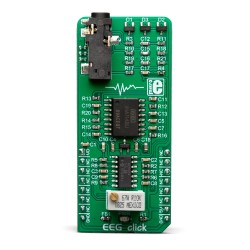
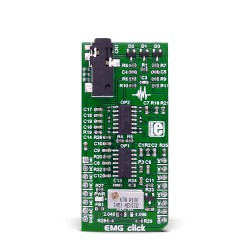
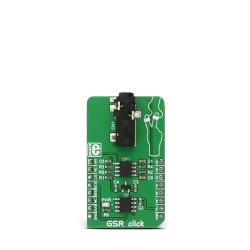
PRACTICAL TELEHEALTH PROTOTYPING: BIOMETRIC SENSOR CLICK BOARDS™ IN ACTION
Want to see how biometric sensors power modern telehealth and IoT medicine? Head over to EmbeddedWiki, our project hub, where you’ll find real-world examples of Sensor Click boards™ in remote health monitoring, wearable devices, and connected patient care systems.
These detailed, step-by-step projects are designed for engineers, developers, and researchers building next-gen healthcare monitoring solutions. Explore practical applications, test ideas quickly, and accelerate your path from concept to medical-grade innovation.
ABOUT MIKROE
MIKROE is committed to changing the embedded electronics industry through the use of time-saving industry-standard hardware and software solutions. With unique concepts like Remote Access, One New Product/Day, Multi-Architectural IDE and most recently, the EmbeddedWiki™ platform with more than million ready-for-use projects, MIKROE combines its dev boards, compilers, smart displays, programmers/debuggers and 1850+ Click peripheral boards to dramatically cut development time. mikroBUS™; mikroSDK™; SiBRAIN™ and DISCON™ are open standards and mikroBUS only has been adopted by over 100 leading microcontroller companies and integrated on their development boards.
Your MIKROE